- Flowers — Growing Guides 2026
Flowers That Actually Thrive in Your Climate
Most flowers fail for one of 3 reasons: wrong zone, wrong soil drainage, or planted at the wrong depth. This section fixes all three. Every guide here is written for real US growing conditions — not generic advice that works anywhere and nowhere at the same time.


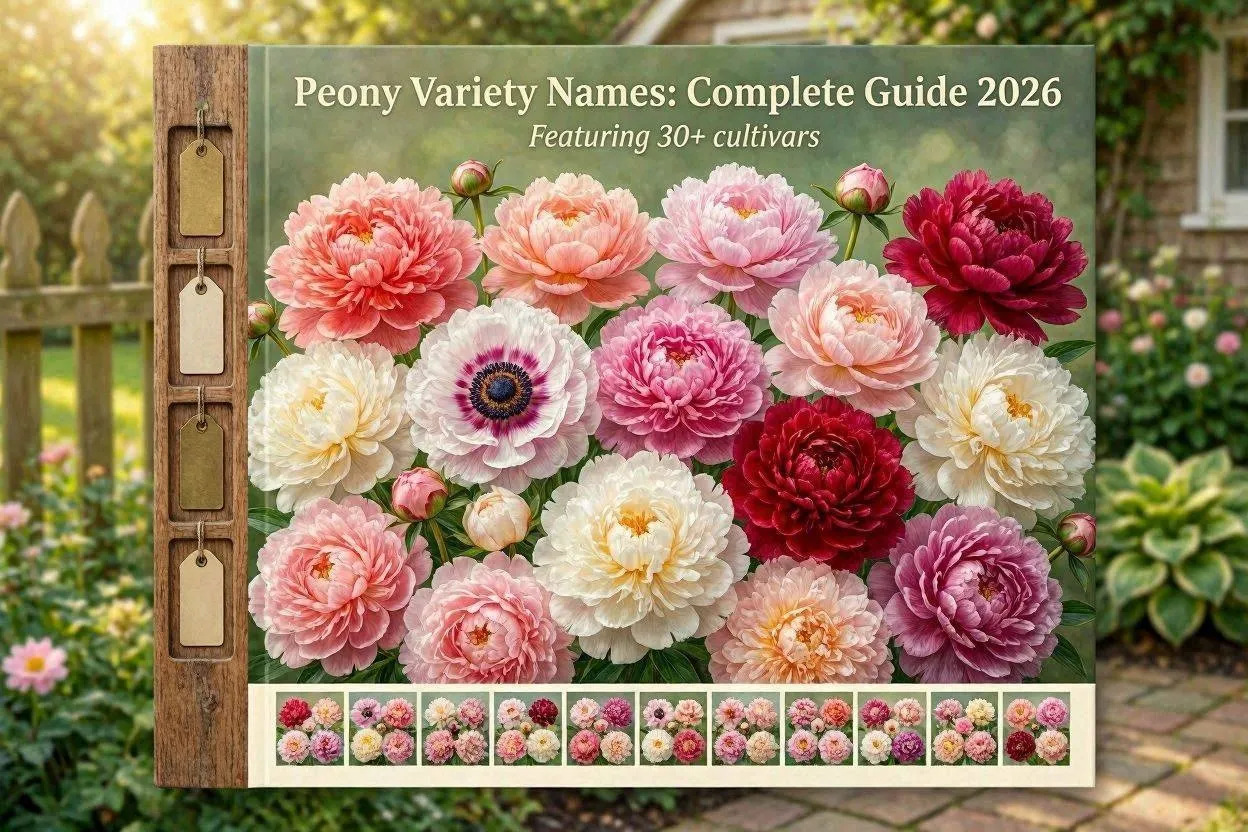
Peony Variety Names: Complete Guide 2026 (With 30+ Cultivars)
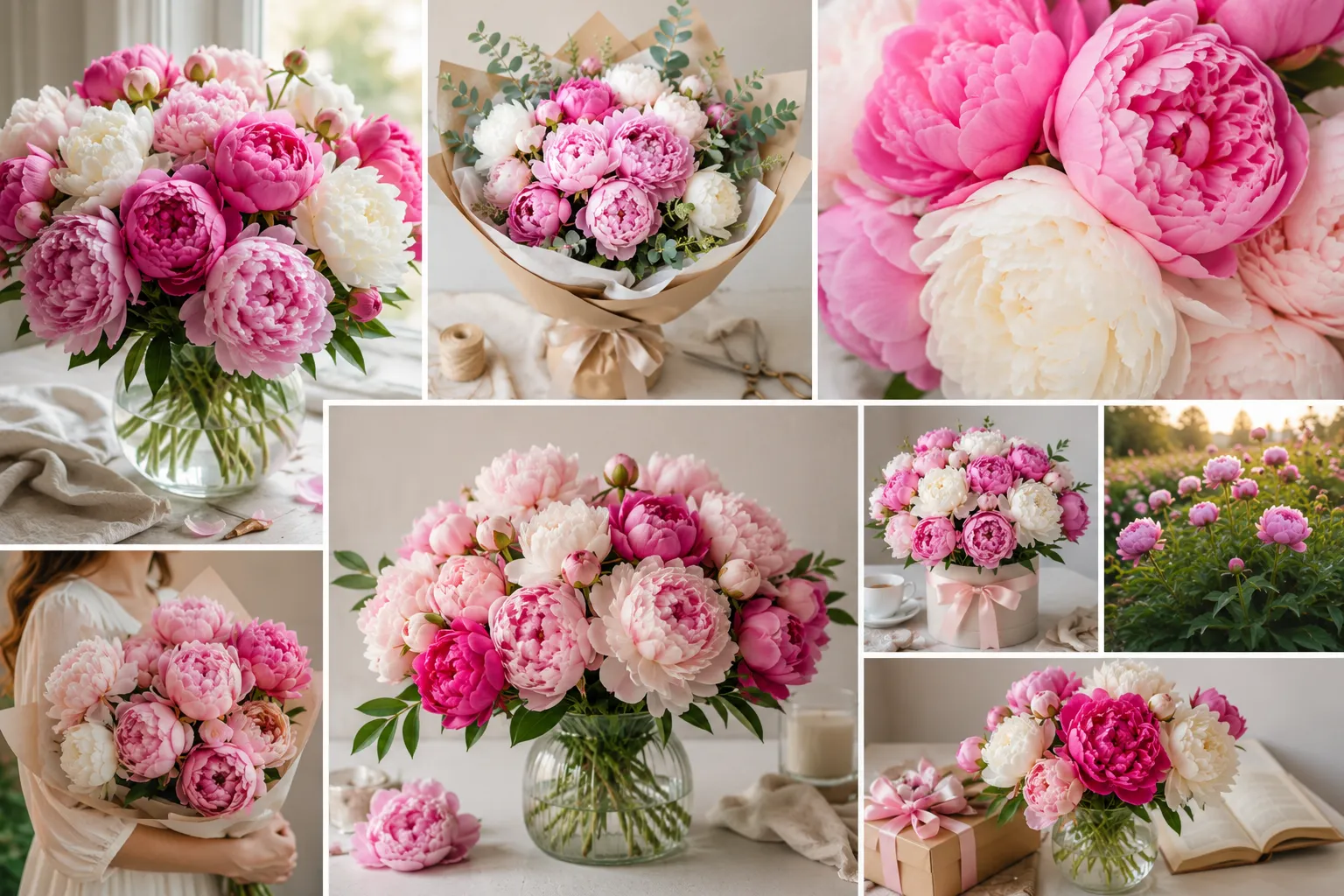
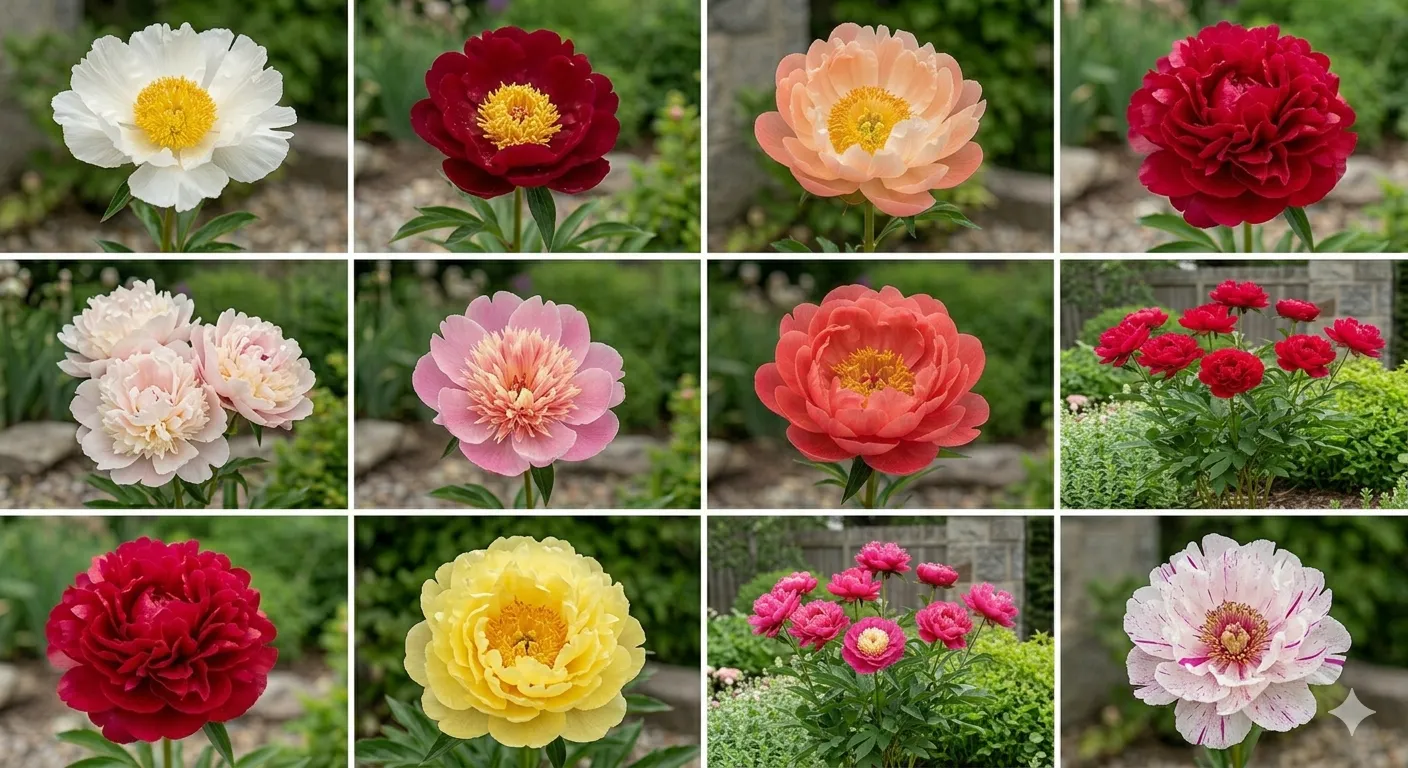
Peony variety names identify specific cultivated forms of Paeonia, and gardeners use them to select plants by bloom type, color, fragrance, and USDA hardiness zone. This guide covers 30+ named peony cultivars across 3 structural types and 5 bloom forms, with exact planting data for each. Peonies in the genus Paeonia fall into 3 main groups: herbaceous peonies, tree peonies, and intersectional Itoh hybrids. Each group contains dozens of named cultivars suited to different climates, from USDA Zone 3 (where winters reach -40°F / -40°C) to Zone 8 (where winters stay above 10°F / -12°C). What Are the 3 Main
8 Flower Categories — Find the Right Starting Point
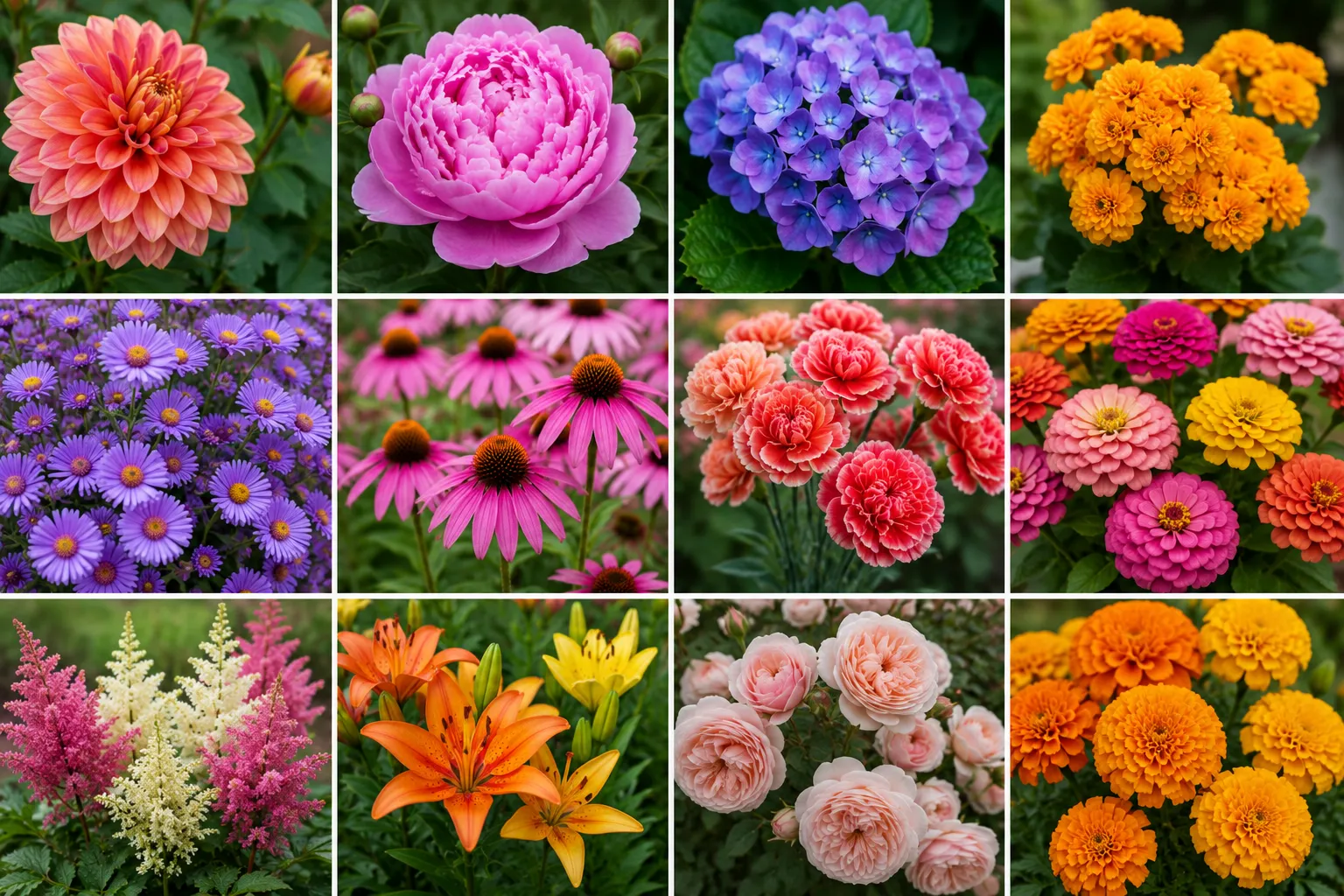
Each category behaves differently in the garden. Knowing which category you are working with tells you how to plant, when to expect blooms, and how much maintenance the first year requires.
Hardy Perennials
Return every year from the same root. Higher cost upfront — zero replanting cost after year one. Most reach full size and bloom production in year 2 or 3.Best for: Low-maintenance borders, established beds Examples: Peonies, echinacea, salvia, rudbeckia
Spring Bulbs
Plant in fall, bloom in spring. Most require a cold winter dormancy — ideal for zones 3–7. Bulbs naturalize and multiply over years with no effort or intervention.Best for: Early color, low maintenance Examples: Tulips, daffodils, alliums, hyacinths, muscari
Summer Annuals
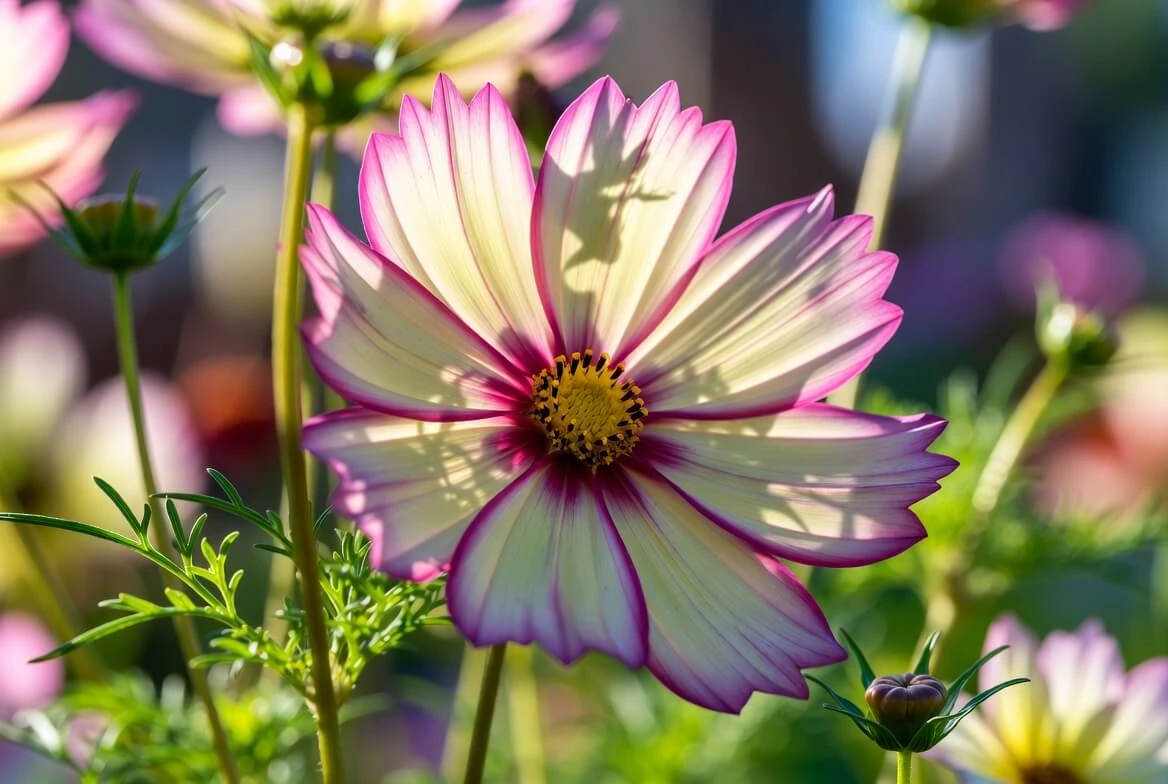
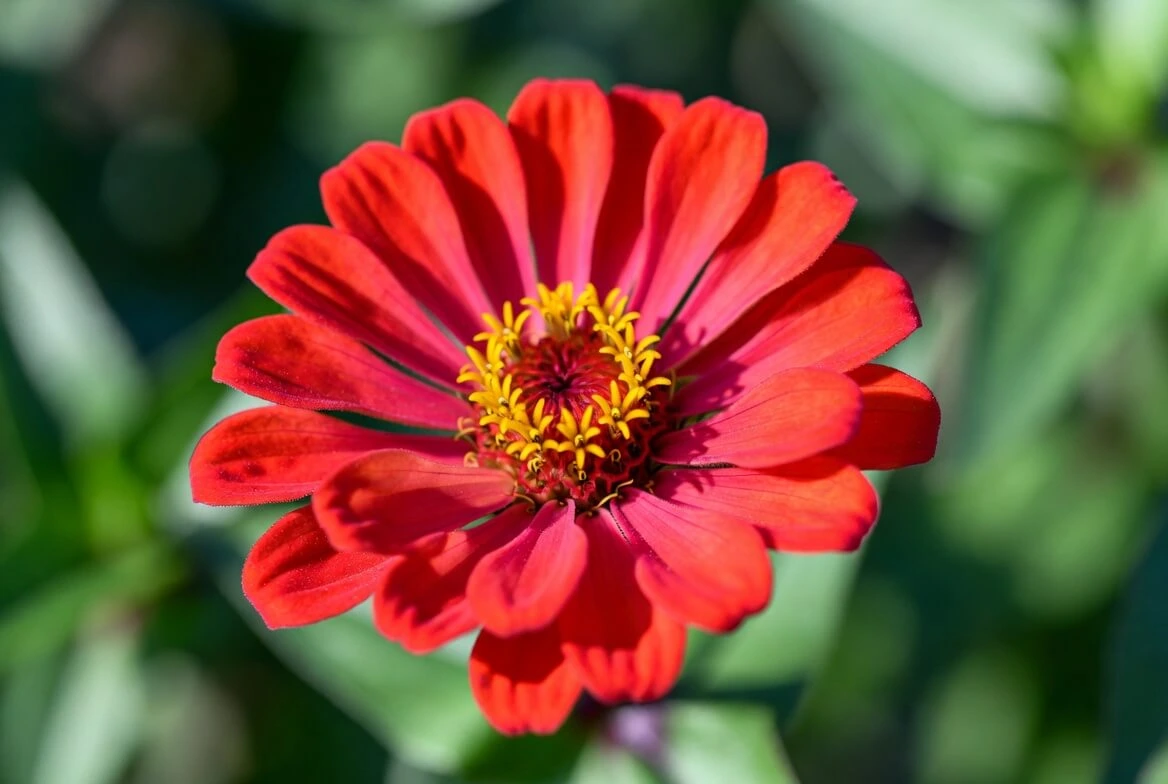
Live one full growing season from seed to frost. Bloom continuously — the longest single-season display of any flower category. Replant each spring.Best for: Containers, color control, cut flowers Examples: Zinnias, cosmos, marigolds, petunias
Cut Flower Crops
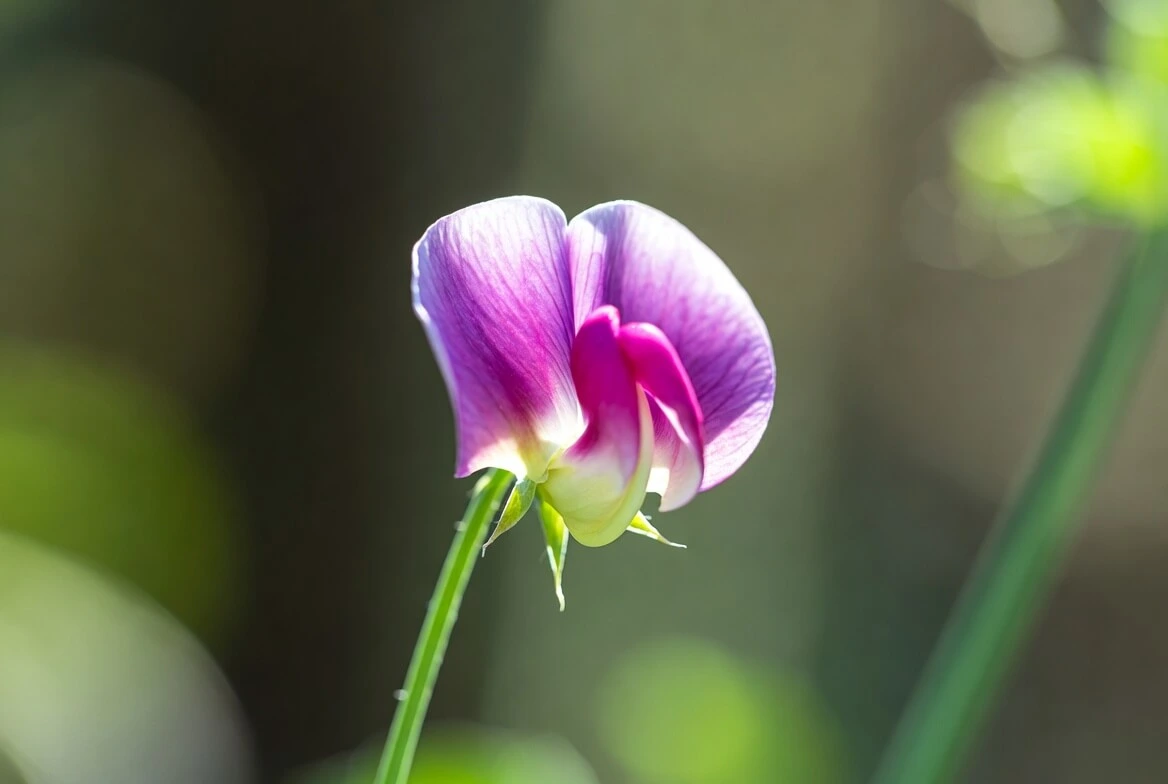
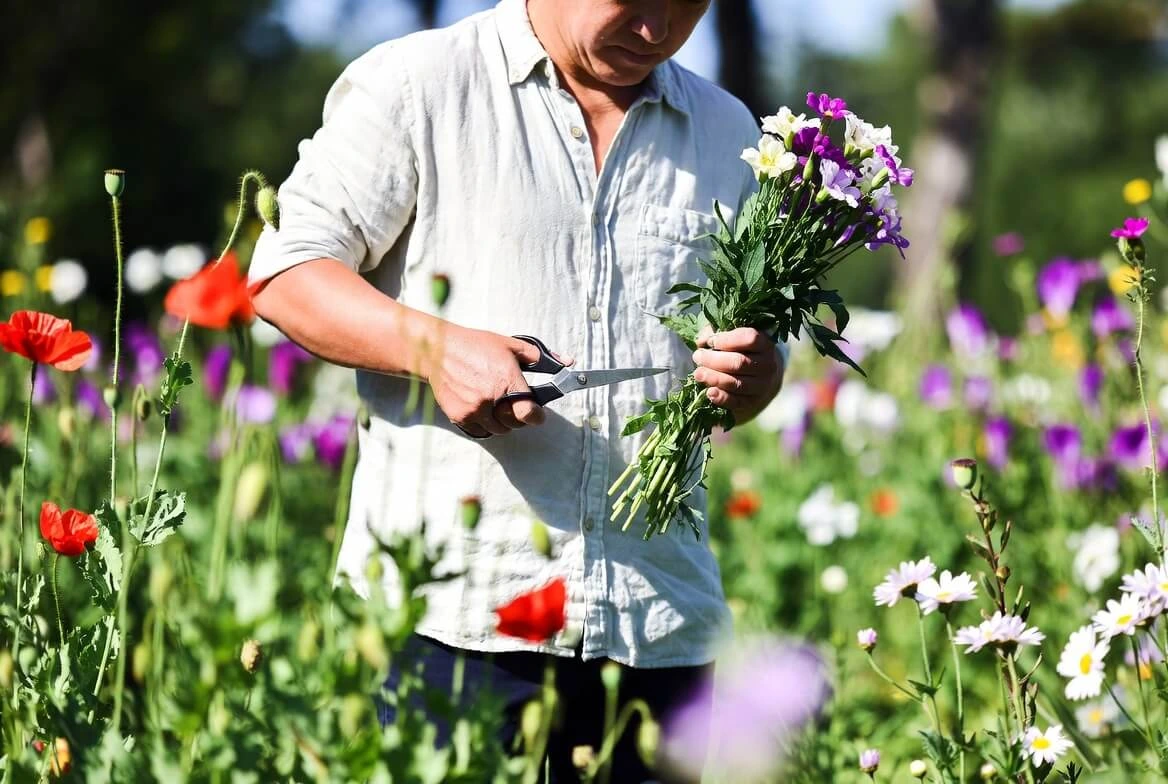
Grown for harvest. Cut regularly to keep plants producing all season. A 32 sq ft (3 m²) bed produces more stems than most households can use.Best for: Fresh bouquets, farmers markets Examples: Lisianthus, dahlias, snapdragons, sweet peas
Tender Perennials
Perennial in warm zones (8–11), annual in cold zones (3–7). Dahlias, cannas, and gladiolus fall here — dig tubers before first frost in cold zones and store through winter.Best for: Bold summer displays Examples: Dahlias, cannas, gladiolus, begonias
Native Wildflowers
Adapted to local soils and rainfall — need no fertilizer, less water, and support 4× more pollinators than introduced ornamentals. Low-effort, high-impact planting.Best for: Pollinator gardens, low maintenance Examples: Coneflower, butterfly weed, wild bergamot, goldenrod
Best Flowers by Bloom Season — US Garden Guide
Plan a garden that blooms from March through October with the right mix of spring, summer, and fall varieties.
| Season | Best Flowers | Zones | Sun | Plant Time |
|---|---|---|---|---|
| Early spring (Mar–Apr) | Daffodils, hyacinths, muscari | 3–8 | Full–part sun | Plant bulbs in fall |
| Late spring (May) | Peonies, tulips, alliums | 3–8 | Full sun | Bulbs in fall / roots in spring |
| Early summer (June) | Roses, iris, baptisia | 4–9 | Full sun | Spring transplant |
| Midsummer (July–Aug) | Zinnias, dahlias, coneflowers | 4–10 | Full sun | Direct sow after last frost |
| Late summer (Aug–Sep) | Black-eyed Susans, liatris, agastache | 3–9 | Full sun | Spring transplant |
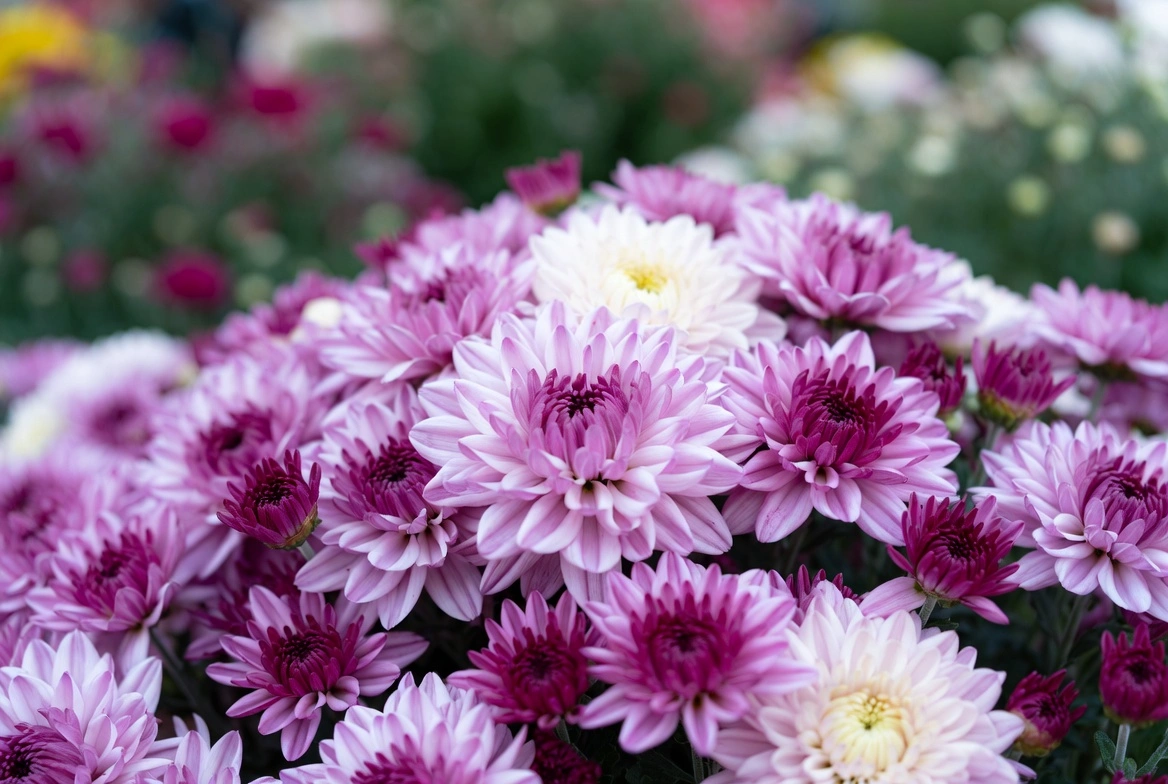
| Fall (Sep–Oct) | Chrysanthemums, asters, sedums | 4–9 | Full sun | Spring transplant or fall division |
| Winter interest | Hellebores, witch hazel, winter jasmine | 4–9 | Part shade | Fall transplant |
Best Flowers for Every US Climate Zone
USDA hardiness zones determine which flowers survive your winters. Match your zone to the right flower choices before you buy anything.
Cold North
Minnesota, North Dakota, northern Maine. Short summers, harsh winters. Peonies, coneflowers, black-eyed Susans, daylilies, and native prairie wildflowers thrive here without winter protection.
Midwest & Mid-Atlantic
Chicago, Kansas City, Washington DC. The widest plant selection in the US. Roses, dahlias, iris, alliums, and almost all perennials perform well with standard care.
Southeast & Pacific NW
Atlanta, Charlotte, Seattle, Portland. Mild winters allow crape myrtles, gardenias, and camellias to thrive. Extended summers support long-blooming annuals and tender perennials.
Gulf Coast & Southwest
Houston, Miami, Phoenix, Los Angeles. Heat-tolerant lantana, bougainvillea, plumbago, and tropical gingers bloom where most standard perennials go dormant or fail.
Growing Fundamentals
The 3 Things Every Successful Flower Garden Gets Right
Pest problems, poor blooming, and early plant death usually trace back to one of three fundamentals done wrong. Get these right and 80% of common flower failures never happen.
Test drainage before you plant anything
Waterlogged soil kills more flowers than any pest or disease combined. Before planting any flower bed, dig a 12-inch (30 cm) hole, fill it with water, and time the drain rate. Soil that drains 1 inch (2.5 cm) per hour is ideal. Slower than 0.5 inches (1.3 cm) per hour creates root rot conditions for peonies, dahlias, tulip bulbs, and most perennials. Raised beds with amended soil fix drainage problems permanently — a 6-inch (15 cm) raised bed over compacted clay drains well enough for nearly any flower.
Depth determines bloom — not just survival
Peonies planted more than 2 inches (5 cm) deep produce leaves but no flowers — for years. Tulip bulbs planted too shallow frost-heave out of the soil in zones 4–6. Dahlias planted crown-down instead of crown-up emerge 4 weeks late and bloom poorly. Each flower type has a specific planting depth that triggers bloom. The guide for each flower on this site includes exact depth measurements in both inches and centimeters for every planting context — follow those numbers and skip the most common reason flowers fail to bloom.
Foliage wet = fungal problems — water the soil
Overhead watering on roses causes black spot. Overhead watering on peonies triggers botrytis. Overhead watering on dahlias spreads powdery mildew across an entire planting in 48 hours. Water at soil level with drip irrigation, soaker hose, or careful hand watering that directs water to the root zone, not the foliage. Morning watering allows any incidental leaf splash to dry before evening — the 8–10 hours of darkness with wet foliage creates the humidity that fungal spores need to germinate.