Ground Cover Flowers That Bloom and Spread

A good ground cover does three jobs at once: it blooms, it suppresses weeds, and it fills space that grass struggles to cover — slopes, dry shade, rocky edges, and narrow strips that nothing else wants. These plants spread on their own each year and need almost nothing from you after the first season.

Avg Height
0 +
Mowing Required
0
USDA zones
0 +

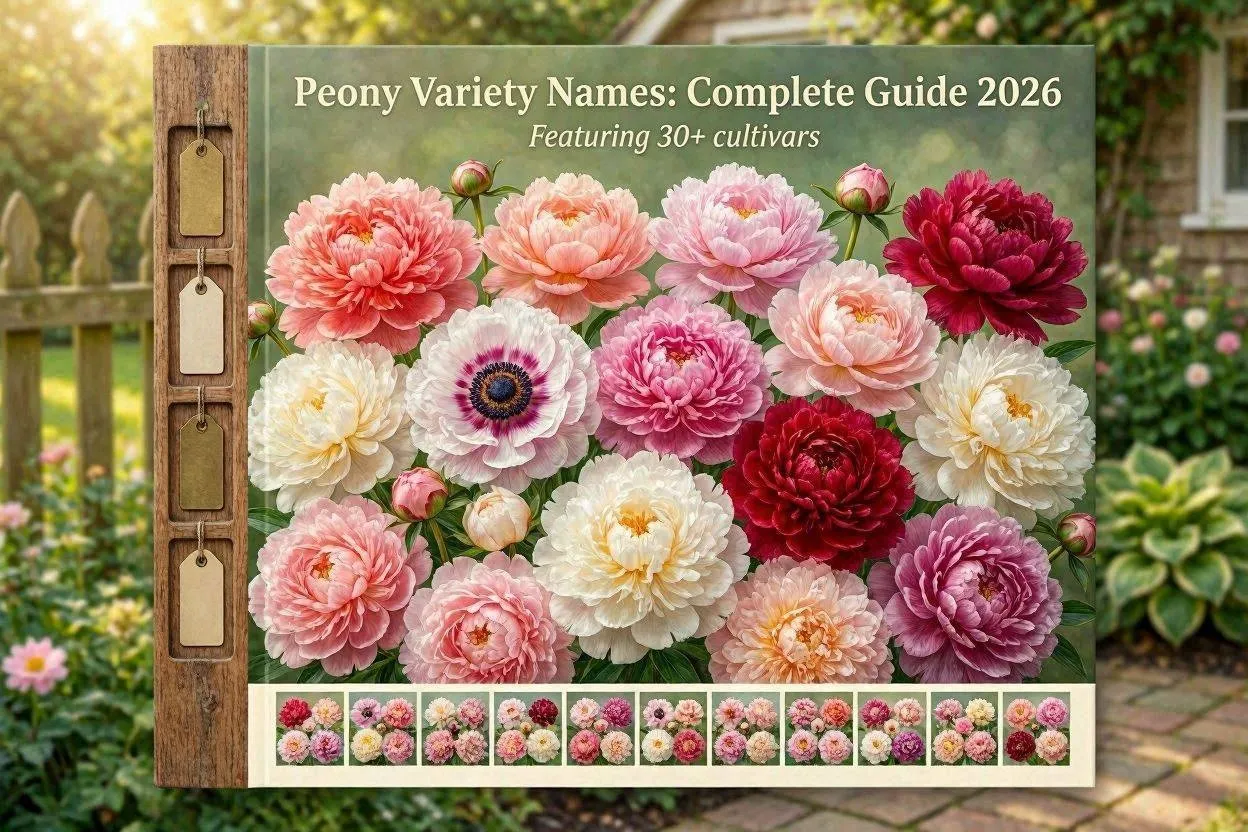
Peony Variety Names: Complete Guide 2026 (With 30+ Cultivars)

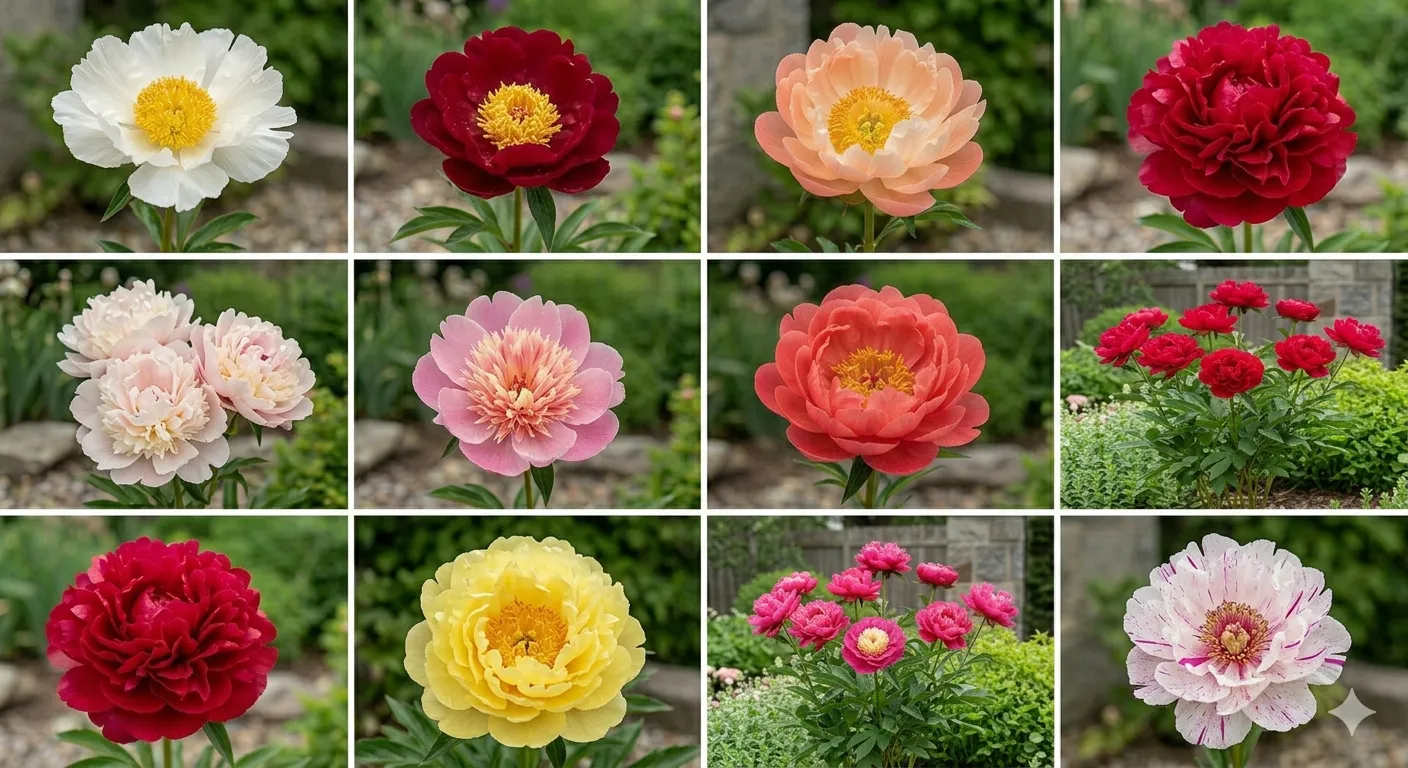
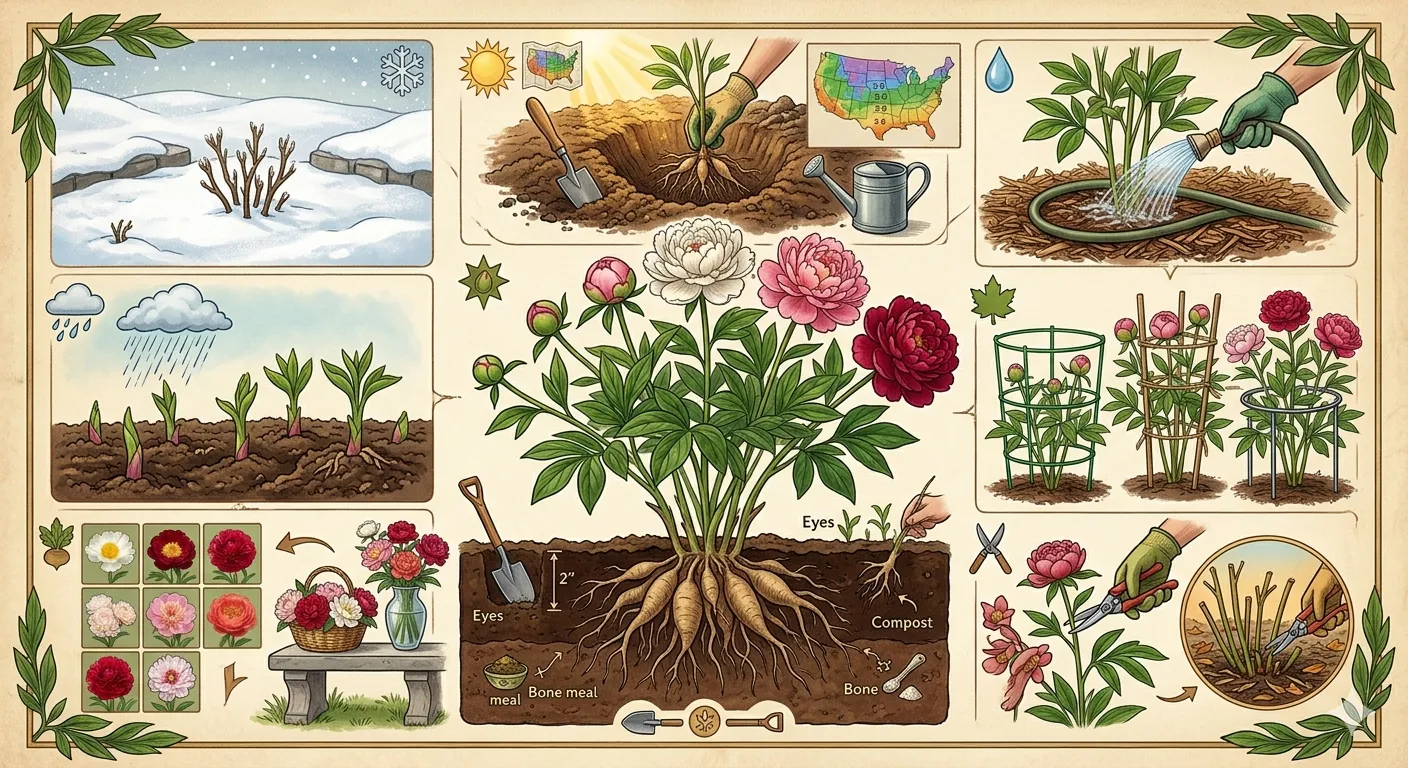
Peony variety names identify specific cultivated forms of Paeonia, and gardeners use them to select plants by bloom type, color, fragrance, and USDA hardiness zone. This guide covers 30+ named peony cultivars across 3 structural types and 5 bloom forms, with exact planting data for each. Peonies in the genus Paeonia fall into 3 main groups: herbaceous peonies, tree peonies, and intersectional Itoh hybrids. Each group contains dozens of named cultivars suited to different climates, from USDA Zone 3 (where winters reach -40°F / -40°C) to Zone 8 (where winters stay above 10°F / -12°C). What Are the 3 Main

Read Full Guild »
ALL GROUND COVER FLOWERS

Ground Cover Flowers by Sun and Soil

The right ground cover depends on light, moisture, and how much spread you want. Planting a sun-lover in deep shade — or a moisture-seeker in dry gravel — produces weak, sparse growth that never fills in properly.

Full Sun — 6+ Hours Daily

Dry, exposed spots with direct sun most of the day. These plants handle heat and drought once established — no supplemental watering needed after year one in most US zones.Best choices: Creeping phlox, creeping thyme, sedum, ice plant, snow-in-summer

Part Shade — 3 to 6 Hours

Morning sun with afternoon shade, or dappled light under a tree canopy. Wider plant selection than deep shade — most flowering ground covers thrive in part shade conditions.Best choices: Veronica 'Waterperry Blue', lamium, sweet woodruff, wild ginger

Deep Shade — Under 3 Hours

Dry shade under dense tree canopies is the hardest condition in most US gardens. Limit choices to plants specifically adapted to this — blooms will be minimal but foliage provides year-round coverage.Best choices: Ajuga, epimedium, pachysandra, vinca minor

Slopes and Erosion Control

Slopes need ground covers with deep, spreading root systems that hold soil through heavy rain. Dense mat-forming plants outperform loose clumpers on any grade steeper than 1:3.Best choices: Creeping phlox, crown vetch, creeping juniper, daylilies, native sedges

Between Pavers and Paths

Needs to handle occasional foot traffic and grow in minimal soil depth. Mat-forming plants under 2 in (5 cm) tall work best — taller plants get crushed and never recover properly.Best choices: Creeping thyme, Corsican mint, Irish moss, brass buttons (Leptinella)

Moist or Wet Soil

Low spots, rain garden edges, and areas near downspouts that stay consistently moist. Most standard ground covers rot in wet soil — use these specifically moisture-tolerant options.Best choices: Creeping Jenny, blue star creeper, native sedges, cardinal flower

Ground Cover Flowers — Comparison Table

Compare the 8 most reliable flowering ground covers for US gardens by height, spread, bloom time, and zone hardiness.

PlantHeightSpread (3 yrs)Bloom TimeLightZones
Creeping Phlox4–6 in (10–15 cm)24 in (60 cm)April–MayFull sun3–9
Moss Phlox Brittonii3–4 in (7–10 cm)18 in (45 cm)April–MayFull sun3–8
Veronica 'Waterperry Blue'3–4 in (7–10 cm)18 in (45 cm)March–MayPart sun4–8
Creeping Thyme2–3 in (5–7 cm)12–18 in (30–45 cm)June–JulyFull sun4–9
Ajuga reptans4–6 in (10–15 cm)24 in (60 cm)MayPart–full shade3–9
Sedum spurium3–6 in (7–15 cm)18 in (45 cm)July–AugFull sun3–8
Sweet Woodruff6–8 in (15–20 cm)24 in (60 cm)April–JunePart–full shade4–8
Creeping Jenny2–4 in (5–10 cm)24+ in (60+ cm)June–AugPart sun3–9

3 Rules That Make Ground Cover Establish Fast and Fill In Fully

Ground covers need the most attention in year one. Get establishment right and the plant takes over from there — no more weeding, no more watering, no more bare soil.

Plant closer than the label says for year-one coverage

Most ground cover labels give mature spacing — which means bare soil between plants for 1–2 years while they fill in. For faster coverage, plant at 60–70% of the listed spacing. Creeping phlox listed at 18 in (45 cm) apart can go 12 in (30 cm) apart for coverage by end of year one. The plants will merge, which is exactly what you want. Bare soil between plants is an open invitation for weeds — the faster the canopy closes, the less weeding you do.

Suppress weeds the first season — then the plant does it

Apply 2 in (5 cm) of fine shredded bark mulch between newly planted ground cover plugs. This suppresses weeds while the plants establish without smothering low-growing foliage. Pull any weeds that emerge through the mulch immediately — a weed that sets seed in a ground cover planting spreads faster than the ground cover itself. By year two, the dense mat closes out nearly all weed germination on its own. The mulch also retains soil moisture through the critical first-summer establishment period.

Define the boundary or the plant defines it for you

Spreading ground covers do not stop at the edge of a bed — they grow into lawn, into adjacent plantings, and over path edges. Install a physical edging barrier — steel, aluminum, or deep plastic at least 4 in (10 cm) deep — before the plants go in. Trying to edge a mature ground cover planting is far harder than preventing spread from day one. For ajuga and creeping Jenny in particular, annual edging without a physical barrier is a losing battle. Set the boundary once and maintain it with a spade twice a year.